AAVE Hit by Bad Debt Following KelpDAO Exploit
The most significant story dominating crypto headlines over the past 48 hours centers on AAVE v3, which is currently carrying bad debt following a hack of KelpDAO. The attack exposed vulnerabilities in how AAVE's lending markets interacted with KelpDAO's restaked assets, leaving the protocol in a deficit position. In response, AAVE's multisig guardian stepped in on-chain to freeze WETH across its lending markets — a drastic but necessary circuit-breaker to prevent further contagion.
AAVE's market cap sits at approximately $1.72 billion at the time of reporting. The freeze on WETH lending markets will have meaningful short-term implications for users with open positions, and the broader DeFi community will be watching closely to see how the protocol handles the bad debt resolution process. This is a developing situation and further governance action is expected in the coming days.
RaveDAO Insider Dump Sends RAVE Down 30%
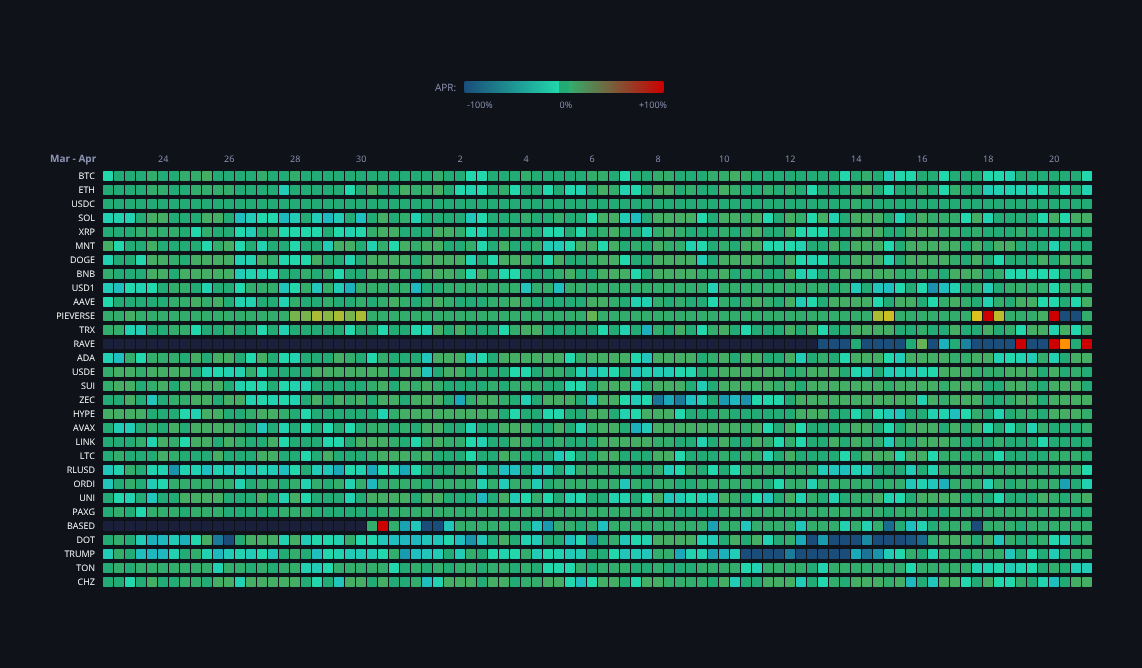
In one of the more striking on-chain events of the weekend, a wallet closely connected to RaveDAO transferred approximately $23 million worth of RAVE tokens directly into Bitget's spot exchange, according to data flagged by Arkham Intelligence. The selling pressure was immediate and severe — RAVE's spot price cratered roughly 30% in a short window as the market absorbed the supply shock.
RAVE carries a market cap of around $276 million, making a $23 million dump a significant percentage of its liquid float. The token had been trending across both Base and BNB Smart Chain in recent days, which may have drawn in retail participants just before the sell-off. On-chain transparency tools like Arkham played a key role in identifying the source wallet quickly — a reminder of how public blockchain data can surface insider activity in near real-time.
Vercel Discloses Security Incident Affecting Crypto Ecosystem
Vercel, the cloud hosting platform widely used by crypto projects for deploying front-ends, dApps, and developer tooling, has disclosed what it describes as a "limited" security incident. While the company has downplayed the scale, the disclosure carries outsized relevance for the crypto ecosystem given how many DeFi protocols and Web3 applications rely on Vercel for their user-facing interfaces.
Front-end attacks have historically been a vector for significant crypto theft — malicious redirects or injected scripts on legitimate-looking sites can drain wallets silently. Users interacting with any dApp hosted on Vercel infrastructure should exercise additional caution until a full post-mortem is published. It is not yet confirmed whether any crypto-specific platforms were directly affected.
LayerZero DVN Returns to Operation
On a more constructive note, LayerZero has confirmed that its LayerZero DVN (Decentralized Verifier Network) is back operational, and the team has recommended that multi-DVN configurations resume normal operations. The announcement came via the project's official blog and signals a return to stability for one of the more widely integrated cross-chain messaging protocols in the ecosystem.
Cross-chain infrastructure downtime can have cascading effects on bridges, omnichain tokens, and protocols that depend on message-passing between networks. The resumption of DVN operations should alleviate any pending cross-chain transactions that were stalled during the outage period.
Meme Token Activity Persists Across Chains
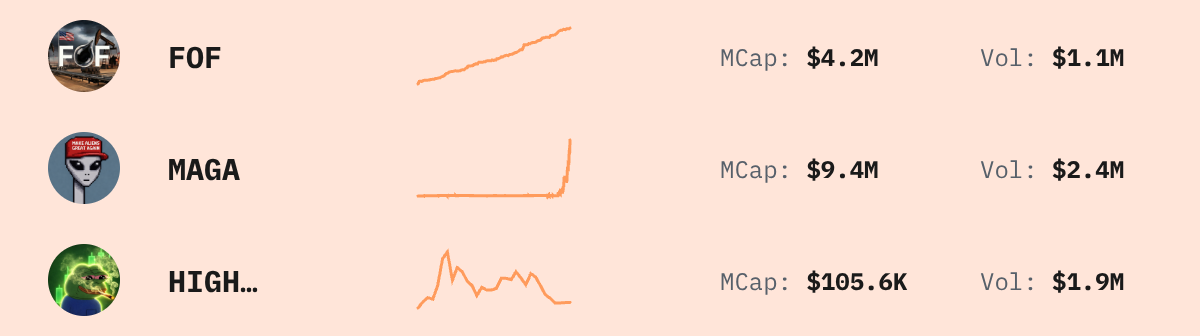
Despite the turbulence elsewhere, speculative token activity continued across Solana, Base, and Ethereum. New token launches on Solana include names like Federal Oil Fund, SO MUCH HIGHER, and SCHIZO SIGNALS, while Base saw the debut of agentic.market and OFC among others. These tokens carry negligible volume figures and are characteristic of the high-churn, low-liquidity end of the market. Trending on Ethereum were tokens in the "Asteroid Shiba" and "Asteroid" clusters, continuing a pattern of derivative meme launches riding prior momentum.
RaveDAO's appearance across both Base and BNB Smart Chain trending lists — right before the major dump — underscores a recurring pattern where social traction and cross-chain visibility precede significant insider distribution events.
Outlook
The immediate focus for the market will remain on the AAVE bad debt situation and any governance response that follows the KelpDAO exploit. How AAVE manages this — whether through a shortfall event, insurance module activation, or other mechanism — will be a test case for DeFi protocol resilience in 2026. The RaveDAO dump adds to a broader cautionary backdrop around newer, hype-driven tokens with concentrated insider holdings. The Vercel disclosure warrants ongoing monitoring, particularly for any front-end compromises that may surface in the days ahead. Across the board, risk management remains the dominant theme.