The Binance Hack: What We Know So Far
The story dominating the crypto space this week is the Binance security breach, which has sent shockwaves through the industry and raised serious questions about the vulnerability of even the largest centralized exchanges. Over the past several days, details have continued to emerge about how attackers managed to penetrate one of the world's most prominent crypto platforms.
According to reporting from Reuters, the attack began with a social engineering play — hackers posed as recruiters and used a bogus job interview to compromise an employee's computer. Once inside, the attackers leveraged an internal AI tool to gain control over wallets, allowing them to siphon funds before the breach was detected. It is a stark reminder that in security, the human element remains the most exploitable layer.
Withdrawals Suspended, Then Resumed in Phases
In the immediate aftermath of the breach, Binance suspended withdrawals entirely — a move that, while disruptive, is standard protocol when a platform detects unauthorized access to its systems. The exchange subsequently announced it would resume withdrawals in phases, with the first phase beginning between 06:00 and 09:00 AM UTC.
The phased approach suggests Binance is proceeding cautiously to ensure that compromised wallet infrastructure is fully isolated before restoring normal operations. For users who had funds locked during the suspension period, the staggered rollout means continued patience is required. How smoothly this process unfolds will be closely watched by the broader market as a signal of Binance's operational resilience.
North Korea Denies Involvement
Adding a geopolitical dimension to the story, North Korea's state news agency KCNA flatly denied allegations that the Lazarus Group or any state-linked actors were responsible for the Binance heist, calling such claims a "fabrication." This denial came via Reuters on November 3rd.
North Korean hacking groups have been attributed to billions of dollars in crypto theft over recent years, so the allegation itself was not surprising to analysts tracking state-sponsored cybercrime. Whether investigators can establish a definitive chain of attribution remains to be seen, but the denial from Pyongyang follows a familiar pattern seen in previous high-profile crypto thefts linked to the DPRK.
An AI Tool Used Against Its Own Platform
Perhaps the most technically striking detail to emerge is that attackers reportedly used a Binance internal AI tool to facilitate their takeover of wallets once inside the network. This represents a troubling evolution in attack methodology — exploiting the very automation and intelligence infrastructure that organizations build to improve efficiency and security.
The incident echoes a separate disclosure from GitBook, which revealed on November 2nd that it had suffered a security breach attributed to "sophisticated AI agents." GitBook subsequently revoked all personal API tokens and urged users to rotate their secrets immediately. While GitBook and Binance are unrelated platforms, the near-simultaneous incidents involving AI-related attack vectors in the same week is a data point worth noting for anyone assessing systemic risk in Web3 infrastructure.
Trending Tokens and On-Chain Activity
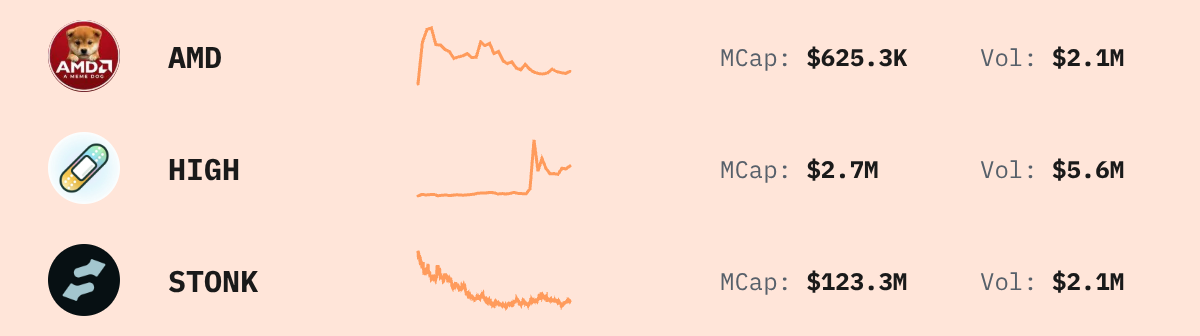
Away from the Binance headlines, on-chain activity across major chains shows the usual churn of speculative tokens. On Solana, names like A Meme Dog, higher.fun, and STONK are circulating in trending feeds. Base is seeing activity around tokenbot, Reboot, and Elsa. On Ethereum, Pepe continues to retain mindshare alongside newer names like AudaCity and Beam. On BNB Smart Chain, Agentic Coin is trending — an ironic name given this week's AI-related security news.
Volume data across these trending tokens is not material enough to draw firm conclusions, but the mix of meme tokens and AI-themed projects reflects the persistent speculative appetite that characterizes retail activity in between major macro events.
Outlook
The Binance hack will remain the defining narrative for the crypto market in the near term. The key questions going forward are: how much was stolen, who is responsible, and how completely can Binance restore trust with its user base. Social engineering attacks of this sophistication — particularly those that weaponize AI tools from within a target's own infrastructure — represent a maturation in threat actor capabilities that the industry must reckon with seriously. Watch for further official statements from Binance on the total scope of the breach, and monitor whether other major exchanges issue precautionary security advisories in the days ahead.